
During my Balkan travels, I dedicated several days to Kosovo, one of the world’s youngest countries having declared independence from Serbia in 2008. Despite its recent statehood, Kosovo boasts a complex historical tapestry woven with ethnic diversity and rich multicultural heritage.
My Kosovo journey centered around two main hubs: the historic Prizren and the capital Pristina, using both as bases for hiking adventures and day trips to nearby cities.
Prizren: Kosovo’s Cultural Heart
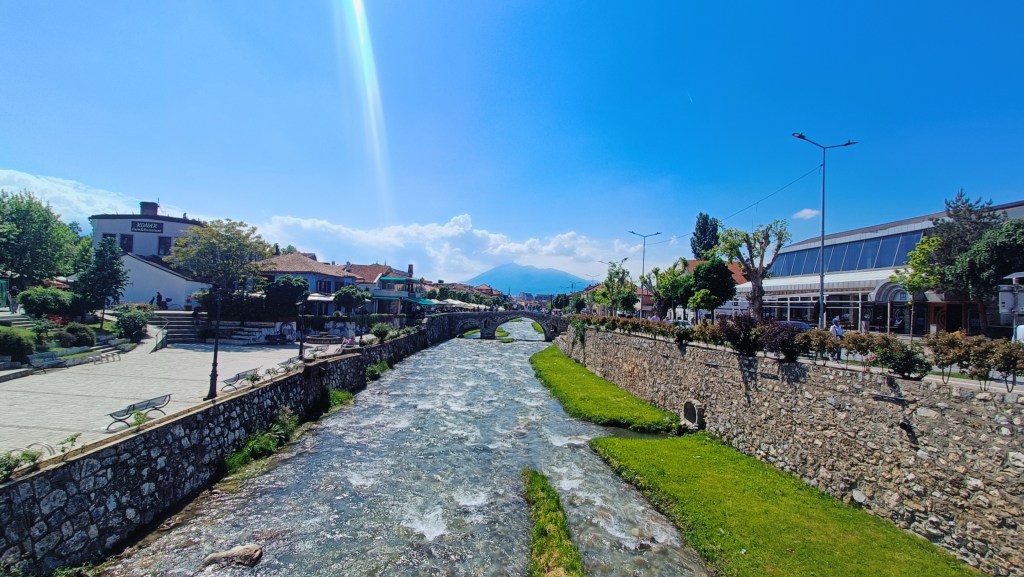
Often called Kosovo’s cultural capital and nicknamed the “Museum City,” Prizren enchants visitors with its remarkably preserved Ottoman-era architecture. This southwestern gem harbors centuries of history shaped by various civilizations.
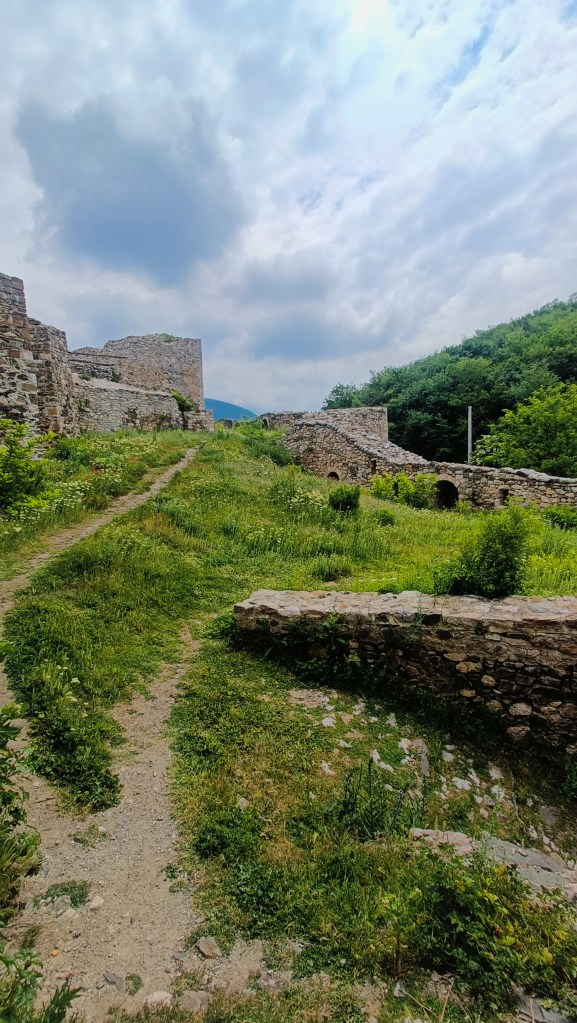
I stayed at the centrally located URA Hostel, which provided an excellent base for exploration. Two paths lead to the city’s fortress on the hill. The first is a direct urban route starting from the city center, while the second offers a more relaxing forest walk.
Travel Tip: Download maps.me for reliable offline navigation throughout Kosovo. Don’t miss the viewpoint marked on the map during your fortress hike—the panorama is truly breathtaking. The fortress itself is free to visit, and you can explore at your leisure.
While Prizren’s compact size means you can see the main attractions in less than a day, I recommend staying an extra night to experience the city’s charming evening atmosphere.
Day Trip to Gjakova
From Prizren, it’s just a one-hour bus ride to Gjakova (€3 each way). The bus station is small, but you can easily purchase tickets and get information directly from the drivers. Gjakova’s historic Old Bazaar (Çarshia e Madhe) stands as one of Kosovo’s most impressive Ottoman marketplaces, dating back to the 16th century with characteristic cobblestone streets and once housing over 500 traditional shops that formed the region’s economic center. Unfortunately, during my visit, street maintenance obscured the photogenic qualities this lovely city deserves. Exploring Gjakova takes about two hours, including time for a pleasant coffee break, before catching the €5 bus to Pristina.
Pristina: A City of Contrasts
Before visiting Kosovo, I read a blog claiming Pristina served the best coffee—even surpassing Italian standards. Being Italian myself, I had to investigate this bold claim at the recommended café. While the coffee was indeed good, my Italian sensibilities weren’t quite convinced it deserved such high praise!
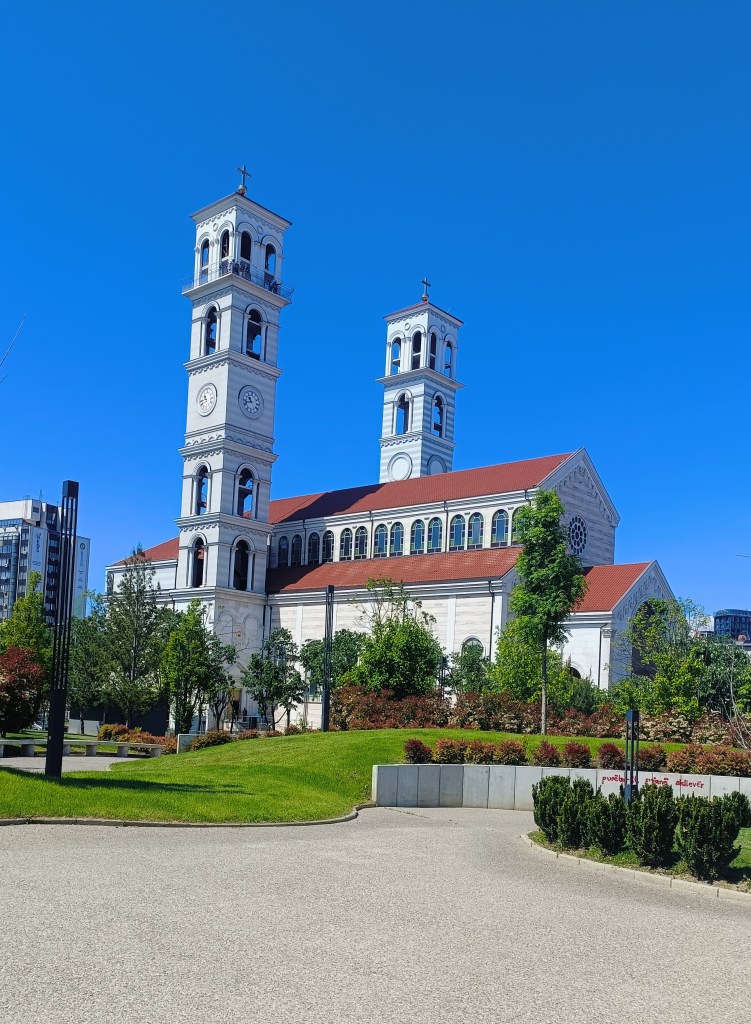
Pristina is a city that tends to polarize opinions. Unlike the instantly captivating major European capitals, Pristina requires a certain openness to appreciate its unique character. One certainty is that you can explore the entire city center in just a few hours. The main cathedral, built to honor Mother Teresa, offers visitors access to one of its towers for a modest €1.50 fee. From the top, you’ll enjoy an excellent panoramic view of the city, including the nearby university and national library.
Essential Travel Tips for Kosovo
- Currency & Payment: Euro is the official currency. Card payment options are limited and only cash is the only option. Be aware that most ATMs charge a €5 withdrawal fee, so plan your cash needs accordingly.
- Dining Options: Vegetarian travelers will find plenty of suitable options throughout Kosovo. Better yet, meals are very budget-friendly regardless of your dietary preferences.
- Transportation Planning: For checking bus schedules throughout the Balkans, two websites are particularly helpful: Traveling.com and Gjirafa Travel. While most buses can’t be paid for online, these sites provide reliable timetable information to plan your journeys effectively.
- Stay Connected: A reliable internet connection is invaluable while traveling. Even with limited data, you can navigate successfully by downloading the maps.me app before your trip and installing the map for Kosovo. This excellent app provides complete offline navigation capabilities, ensuring you won’t get lost even without cell service.

 likethenorthernlight.com
Leave a comment