
What could be more enjoyable than a day spent outdoors? Prioritize safety by carefully assessing the chosen route’s difficulty, distance, elevation, water sources, and available refreshment points. Whether it’s a leisurely walk or a challenging trek, proper preparation ensures a smooth and enjoyable experience.
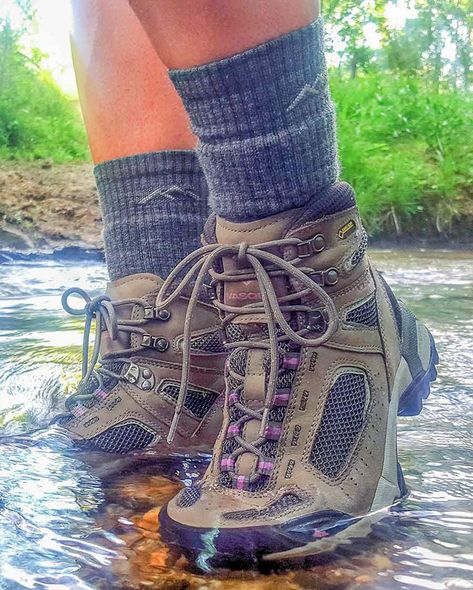
Boots: The key to a successful walk or trek lies in selecting the perfect footwear. It’s essential to opt for shoes that guarantee both comfort and a certified sole. While the decision between shoes and boots is subjective, challenging terrains undeniably call for the added protection that boots provide for the ankles. I strongly advise prioritizing waterproof or Goretex footwear, especially if you intend to trek in cold areas or during cold periods.
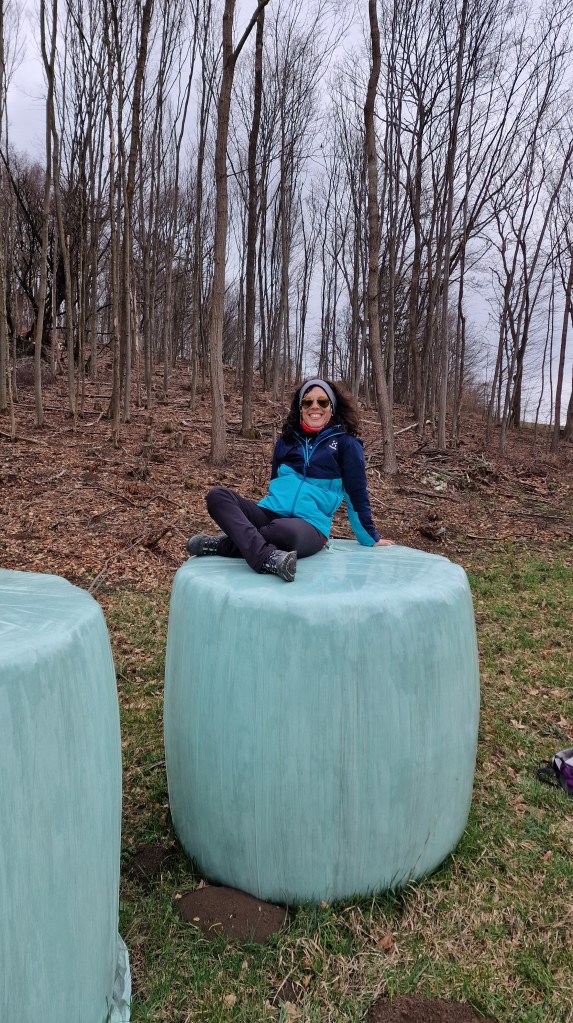
Clothes: When it comes to clothes for outdoor activities in varying weather conditions, technical apparel is crucial regardless of the brand. A fundamental rule for mountain treks, high altitudes, and extreme climates is the concept of dressing in layers, akin to an onion. This does not mean piling on all your clothes and ending up smelling like an onion 😅but rather wearing several layers based on the assessed route and the climate 😎
The first layer, in direct contact with the skin, should effectively wick away moisture, making breathable and quick-drying materials preferable over cotton. In summer, the second layer may be skipped, but it becomes essential in winter, providing thermal insulation with materials like down or thermal jersey. The third layer, represented by materials like Gore-Tex, acts as a shield against wind and can be integrated with the second or fourth layer. The final layer, the shell, does not aim to keep us warm but serves as a barrier against water and wind.
Trousers: When it comes to trousers, it’s crucial to opt for technical ones crafted from materials suited to the prevailing climate. In this context, jeans are best avoided due to their material and limited flexibility.
Shell: As for the external layer or shell for your rucksack, it plays a critical role in shielding it from the elements, especially the rain ⛈️ While larger shells provide comprehensive protection for both you and your gear, they might not be the most practical choice for demanding treks. In such cases, it’s essential to prioritize leg protection against heavy rain while ensuring your own comfort and dryness.
Socks: Technical socks play a crucial role that shouldn’t be underestimated. While it’s easy to focus on the shoes, the right socks are essential for optimal comfort and a perfect fit, especially when hiking. Unlike regular socks, they offer breathability, enhancing the overall experience. Personally, I’ve found both the winter and summer versions to be indispensable.
Last but not least, the essentials for a multi-day hike/walk: Resting shoe: Even on scorching days, a sweatshirt can provide relief when the evening fatigue sets in. After a day of trekking long distances, opting for lighter and more comfortable footwear is a necessity. Choose a stylish sandal for summer or a sneaker for relaxed evening comfort. Spare shoelace: Always carry an extra lace to avoid being stranded with a broken shoelace. It can also come in handy as a string for hanging things up to dry at the end of the day. And, of course, don’t forget the hat, sunglasses, and sun cream, as mentioned in the “Walking Dilemmas” post.
 likethenorthernlight.com
Leave a comment